
Saola coloring pages let children and wildlife enthusiasts explore one of the rarest mammals in the world. The saola, sometimes called the “Asian unicorn,” was first discovered in 1992 in the remote forests of Vietnam and Laos. Its striking horns and elusive nature make it a unique species that sparks curiosity and inspires conservation awareness.
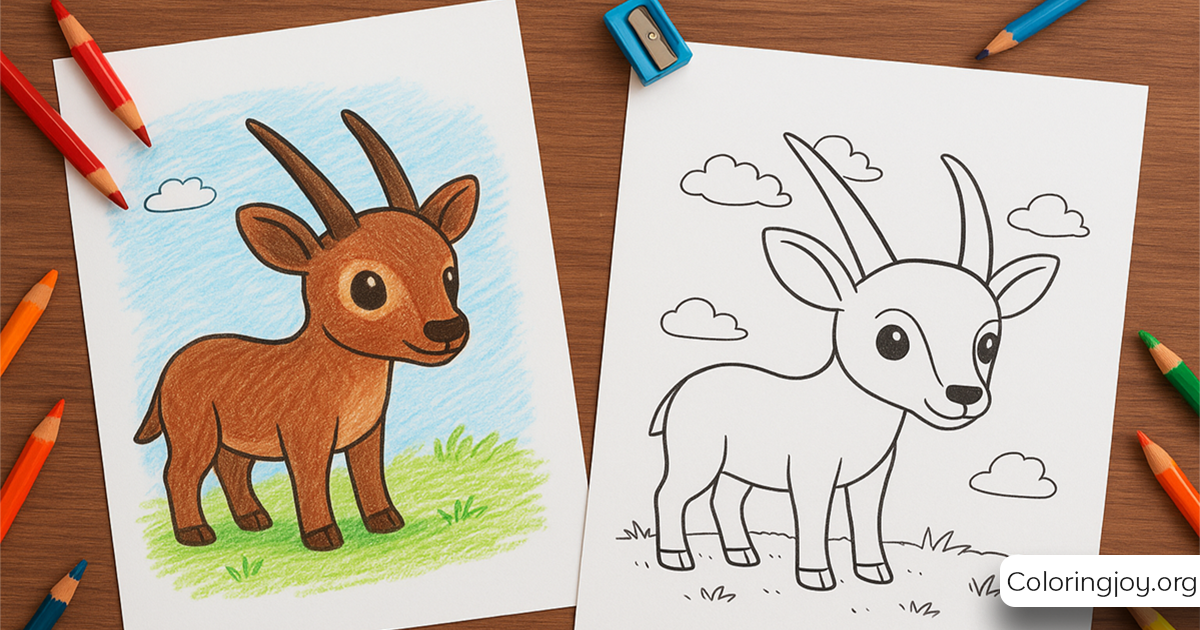
These coloring pages do more than entertain—they educate. By studying and coloring the saola, learners can understand its habitat, behaviors, and the urgent need to protect critically endangered species. You can find authoritative information about the saola on the Saola Working Group.
Free Printable Saola Coloring Pages
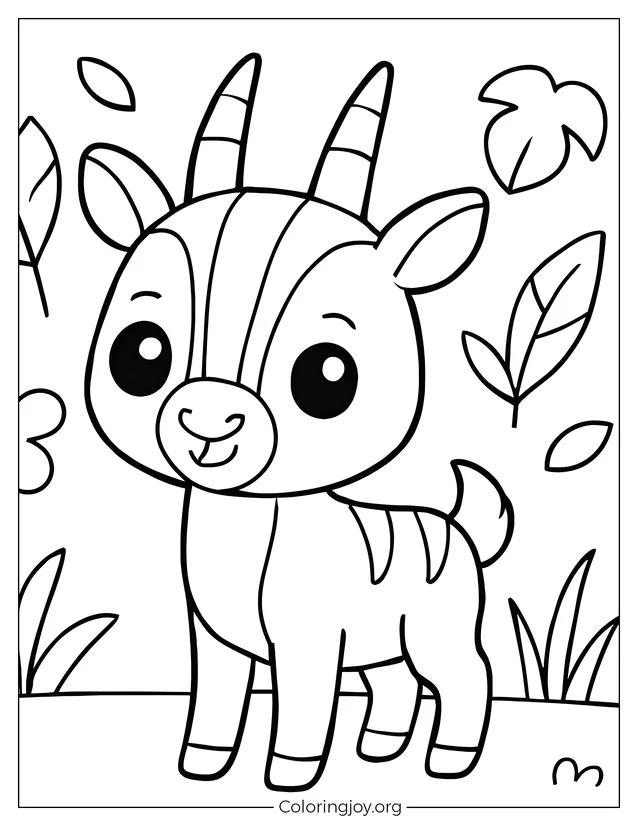
Cute Saola Coloring Pages
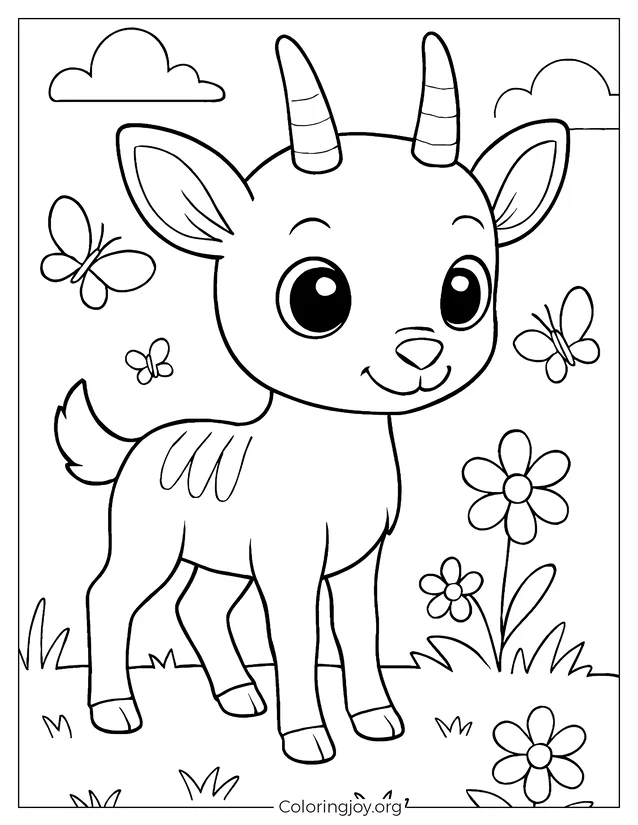
Baby Saola with Butterflies
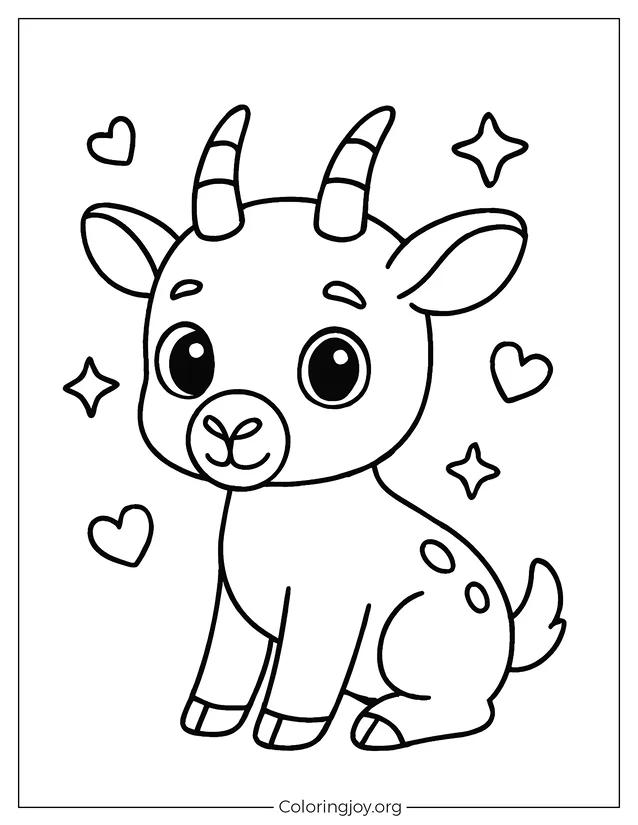
Happy Saola in the Sunshine Free Printable
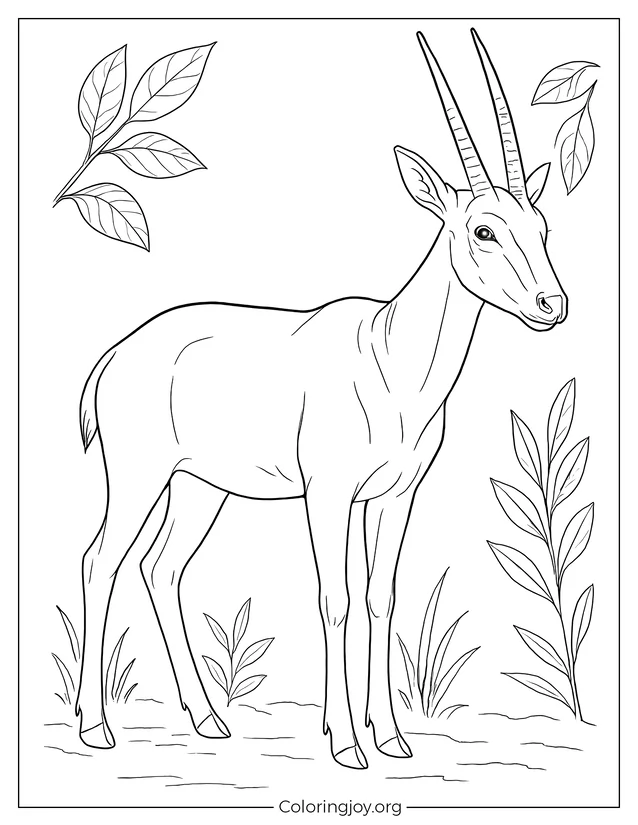
Realistic Saola
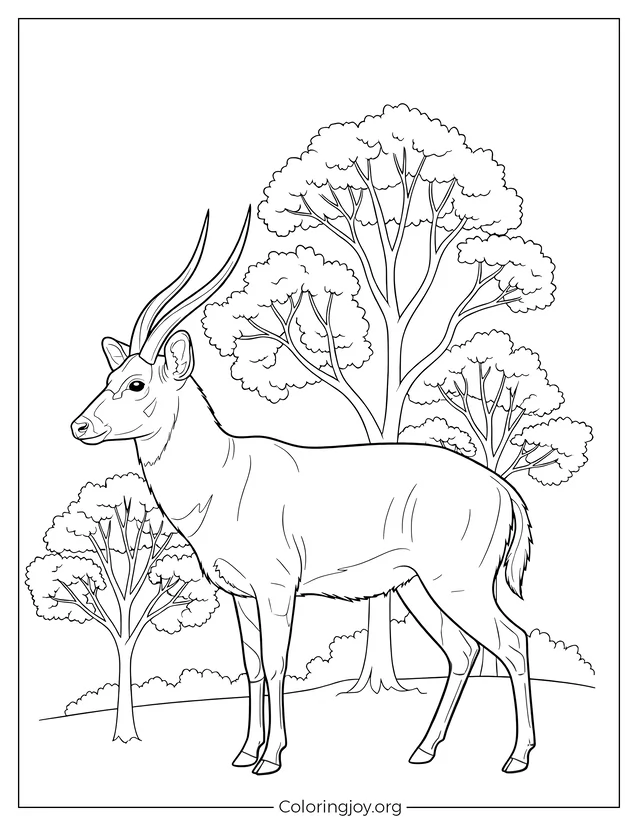
A Standing Saola in forest Printable
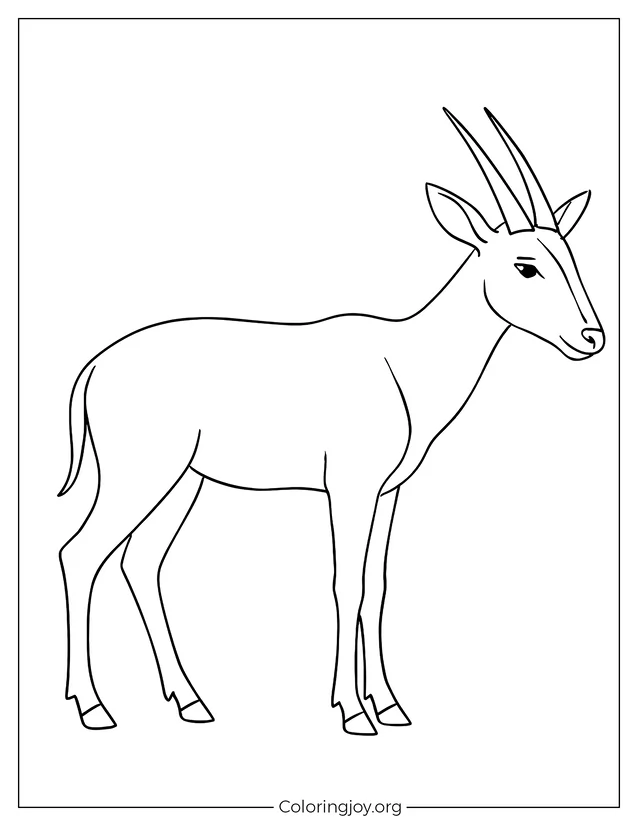
Simple Saola Outline color page
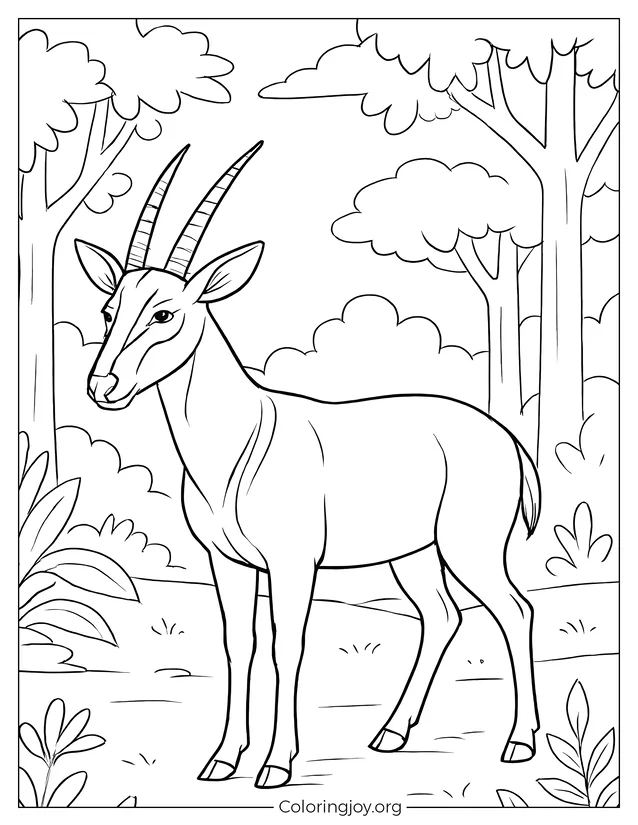
Saola in Forest Animal
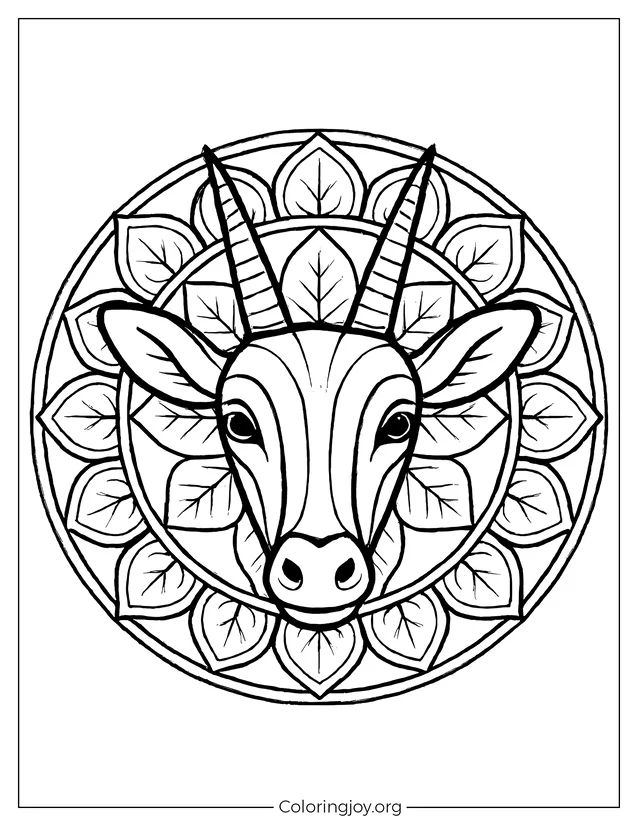
Saola Mandala
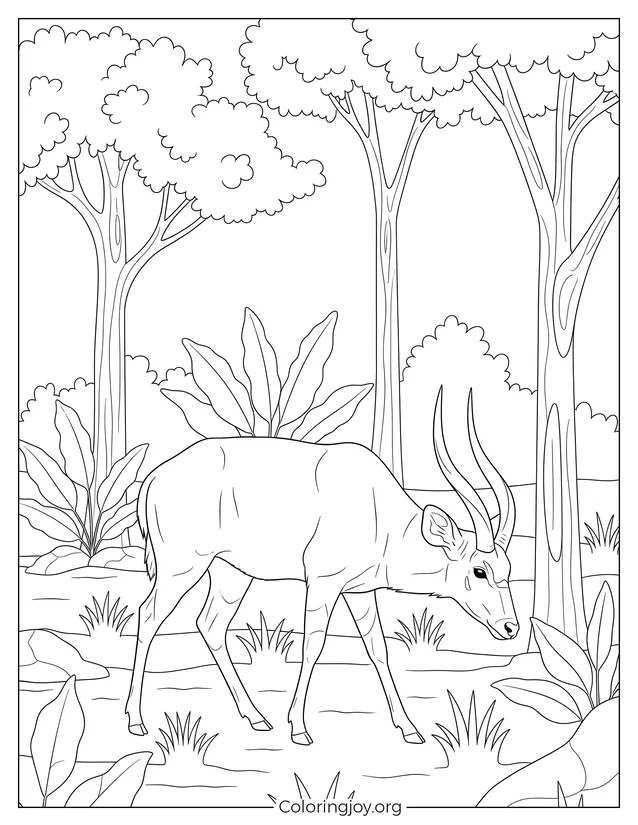
Saola Forest Habitat
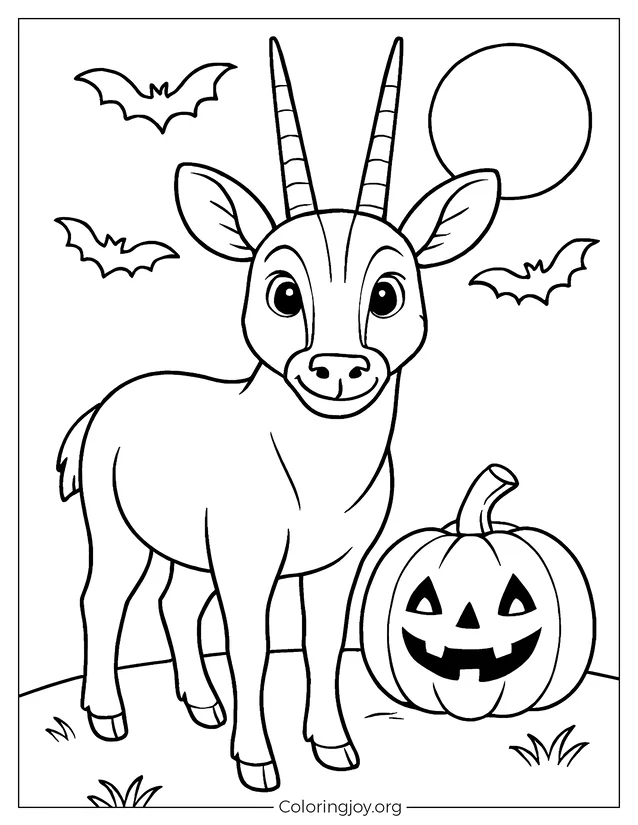
Saola in Halloween
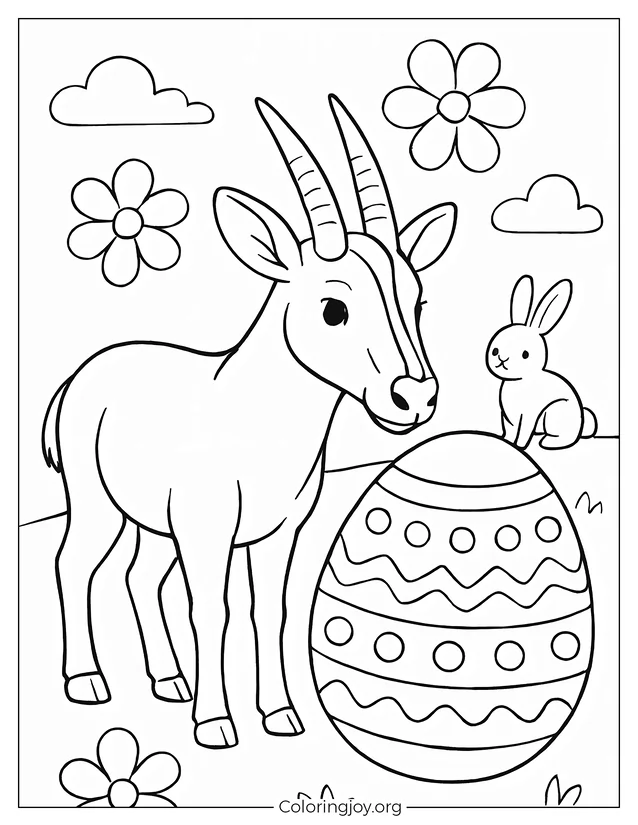
Coloring sheet of Saola Easter
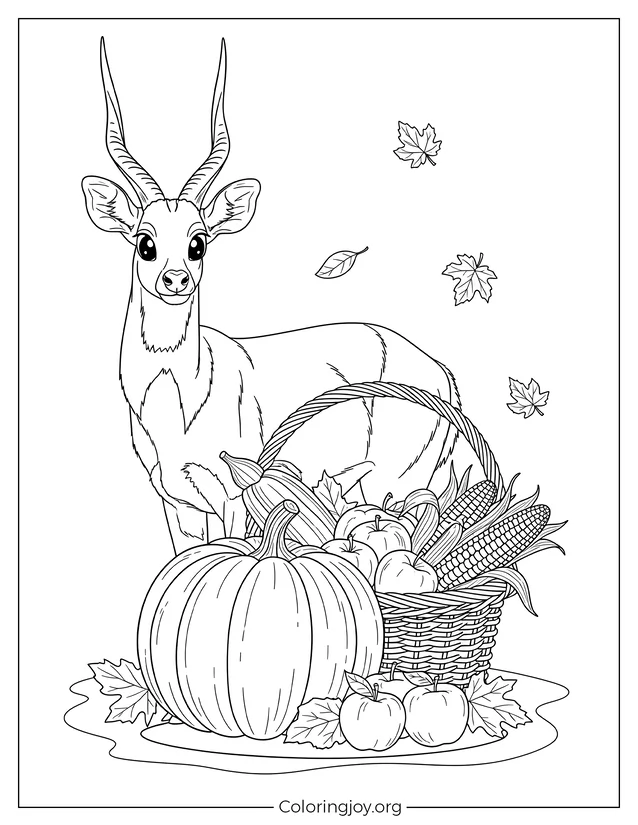
Saola Thanksgiving Harvest - Free Printable
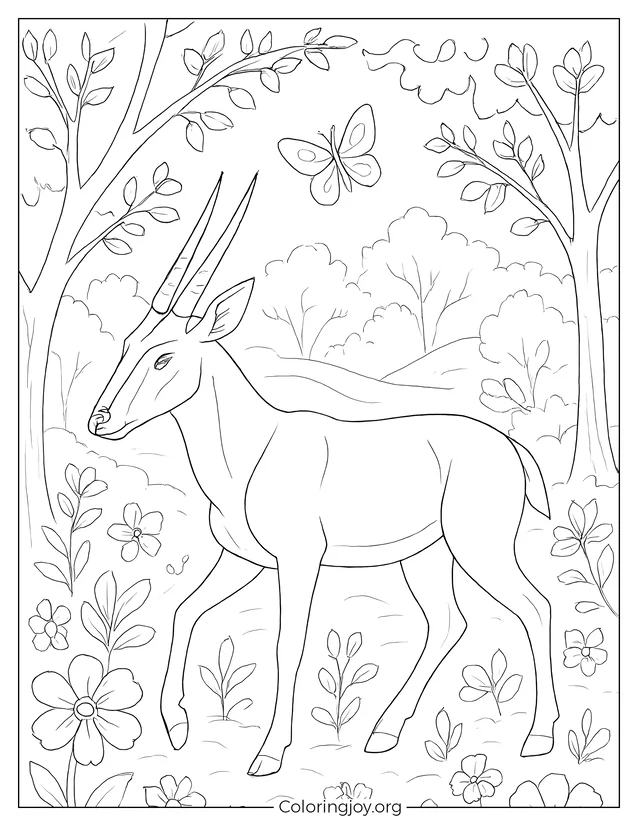
Saola in Spring Forest Coloring sheet
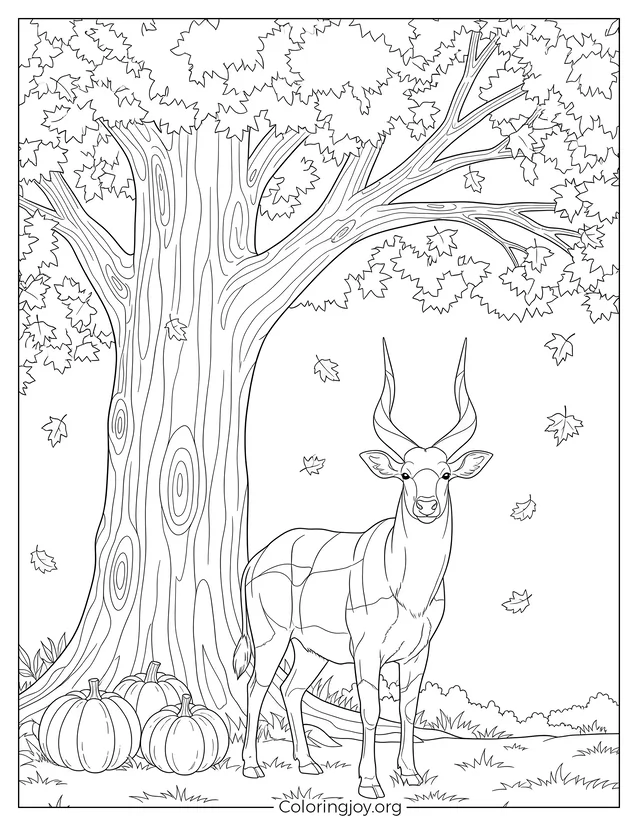
Seasonal Saola Autumn
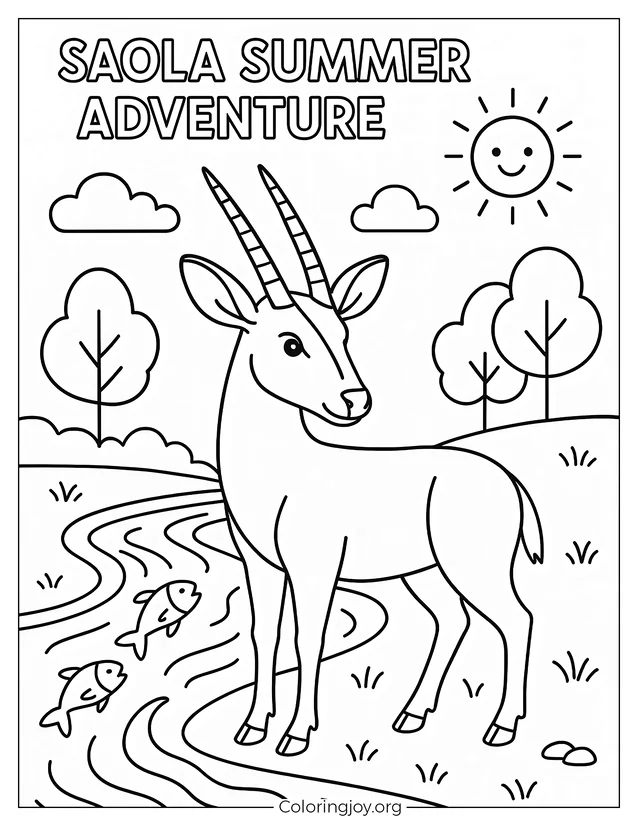
Summer Forest Saola Coloring In
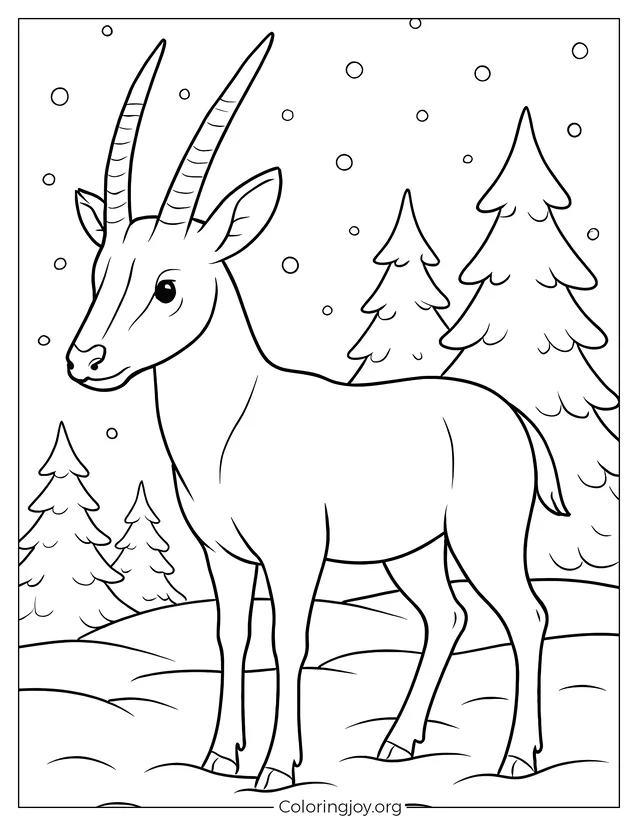
Winter Saola With Falling Snow Coloring Sheet
Why Saola Coloring Pages Are Important
1. Encourage Wildlife Awareness
Coloring a saola helps children recognize the importance of wildlife conservation. The act of coloring encourages observation of details like its parallel horns, soft brown coat, and pale facial markings. This interaction fosters curiosity and empathy for animals that are rare and endangered.
2. Support Early Science Education
Teachers can use saola coloring pages to introduce students to environmental science. While coloring, students can learn where saolas live, how they move, and why conservationists work to protect them. This hands-on approach makes learning more engaging and memorable.
3. Develop Cognitive and Motor Skills
Saola coloring pages help children improve fine motor skills, hand-eye coordination, and pattern recognition. Adding factual information about the species creates a balanced blend of creativity and knowledge.
4. Teach Geography and Ecology
Saolas inhabit the Annamite Mountains, which span Vietnam and Laos. Many coloring sheets include forested landscapes, local plants, and subtle cultural elements. As students color, they absorb geographic context and learn about the ecosystems where saolas thrive.
5. Promote Environmental Responsibility
Children often ask why saolas are endangered. This question opens discussions about habitat loss, anti-poaching measures, and sustainable wildlife protection. Coloring becomes a bridge between art and real-world environmental lessons.
Brief History of the Saola
Although scientists officially discovered the saola in 1992, local villagers had known about it for generations. Survey teams confirmed its existence after seeing long, unique horns in a hunter’s collection. Since then, the species has remained rarely observed in the wild, earning its nickname, “Asian unicorn.” Its rarity emphasizes the importance of preserving remote forests in Southeast Asia.
Creative Ways to Use Saola Coloring Pages
- Classroom Activities: Pair coloring sheets with mini-lessons on the saola’s habitat and conservation status. Students can color the animal and present one interesting fact.
- Science Projects: Create posters or dioramas combining colored images with maps and ecosystem details.
- Nature Clubs: Use the sheets to discuss endangered species and biodiversity.
- At-Home Learning: Print simple outlines for younger kids and detailed pages for older students.
- Art Exploration: Encourage experimenting with shading, realistic color palettes, or imaginative forest backgrounds.
These activities turn coloring into a powerful tool for education and creative expression.
Frequently Asked Questions (FAQs)
1. What colors should I use for a saola?
Saolas have a dark brown coat, pale facial markings, black legs, and long dark horns. Children can choose realistic colors or get creative with imaginative interpretations.
2. Are saolas related to deer or antelopes?
Saolas belong to the bovidae family, which includes antelopes and cattle. They share traits with these species but have unique characteristics, like their elongated parallel horns.
3. Why are saolas endangered?
Saolas face threats from habitat loss, hunting traps, and their small population size. Conservation programs aim to protect their remaining habitat and prevent extinction.